


PHOTO: CARSON ARIAS
THE POWER OF PLAY
Four LEGO designers, four new sets and one hour on stage at the Design Museum. Notes from this year’s Annual Conran Lecture.
The Annual Conran Lecture — Design Museum, London
What can one of the world's most recognisable design systems teach us about creativity, curiosity and the power of play?
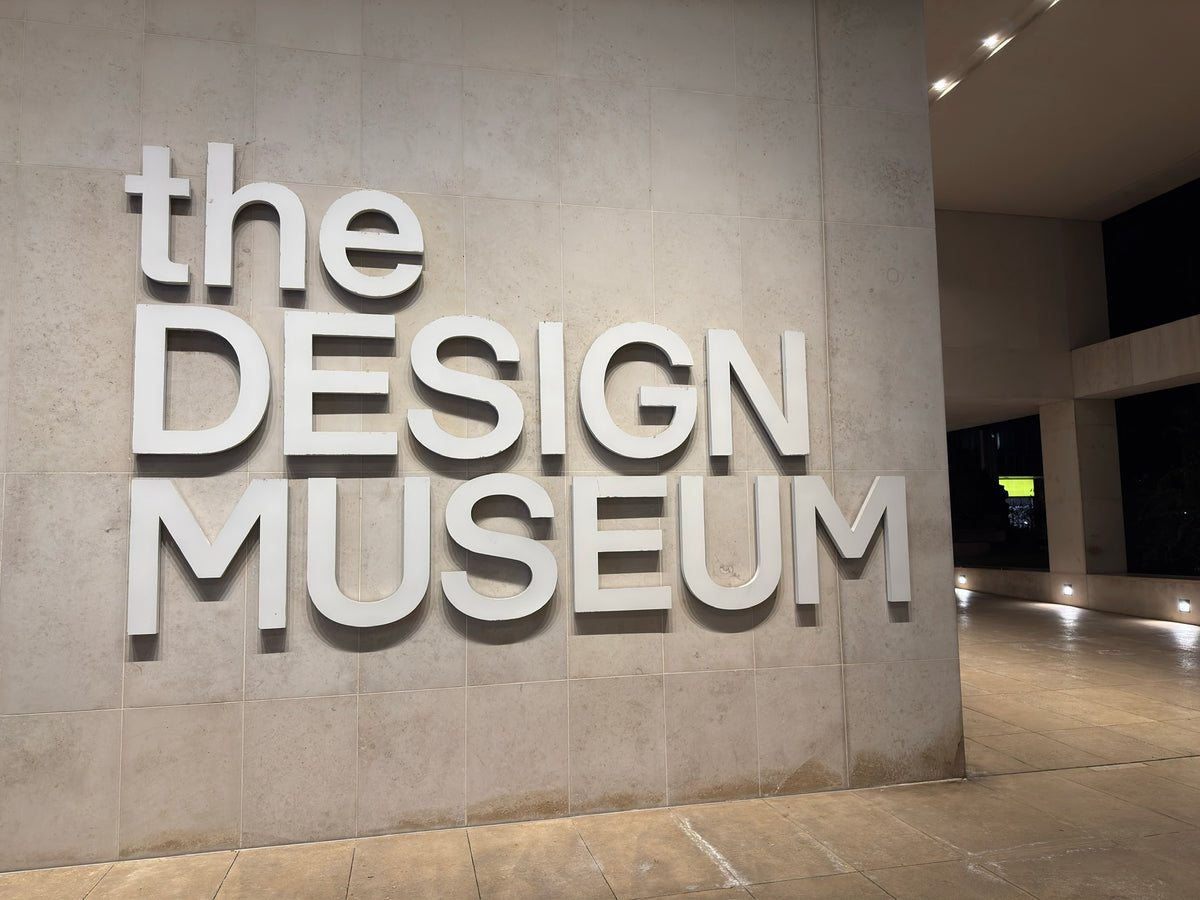
I had the pleasure of attending this year's Annual Conran Lecture at the Design Museum, where Chief Executive and Director Tim Marlow welcomed the LEGO Design Leadership Team for a fascinating conversation about the thinking behind one of the world's most enduring creative brands.
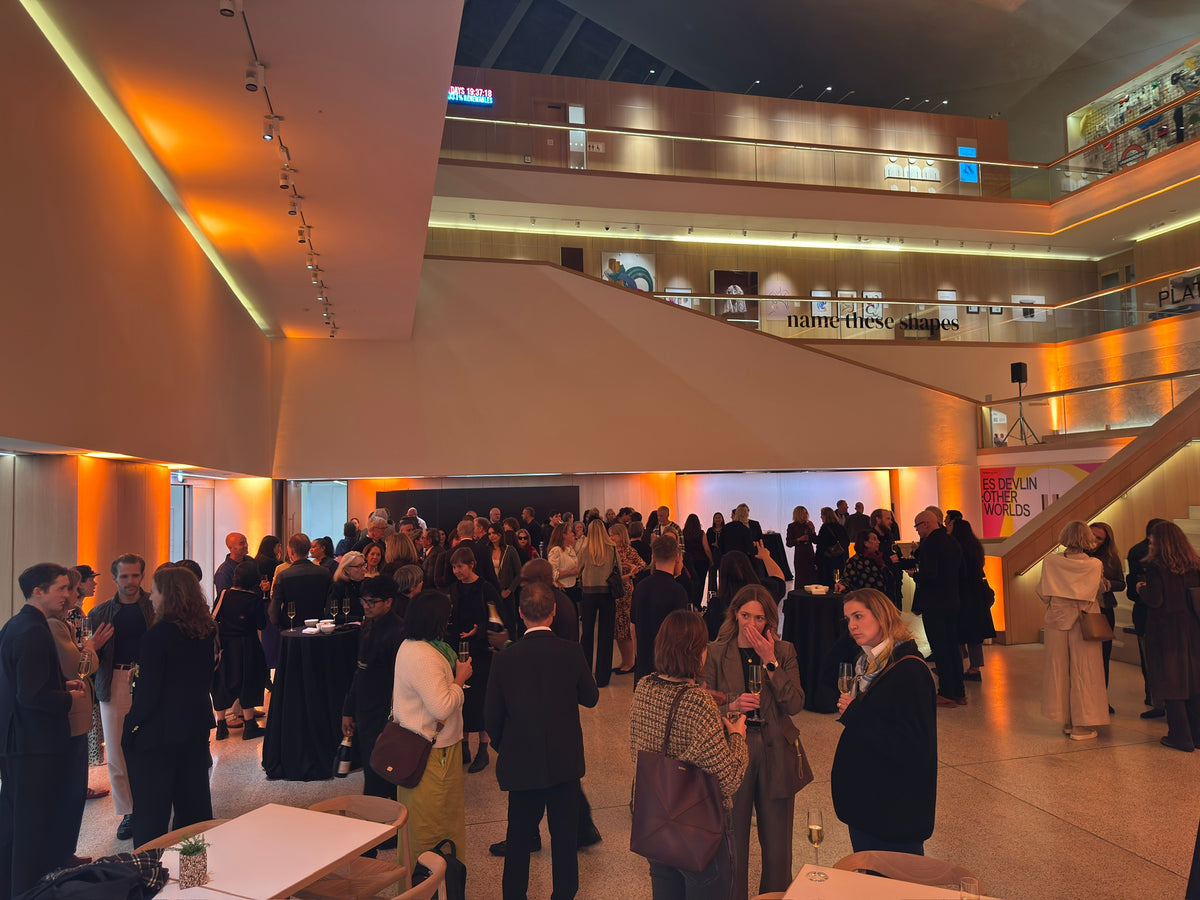
Joining Tim were André Doxey, Matthew Ashton, Louise Bontoft and William Thorogood, representing different areas of LEGO's design, development and innovation team. Across four themes, the evening offered a rare insight into how an organisation approaching its centenary continues to challenge itself, evolve its icons and inspire creativity across generations.
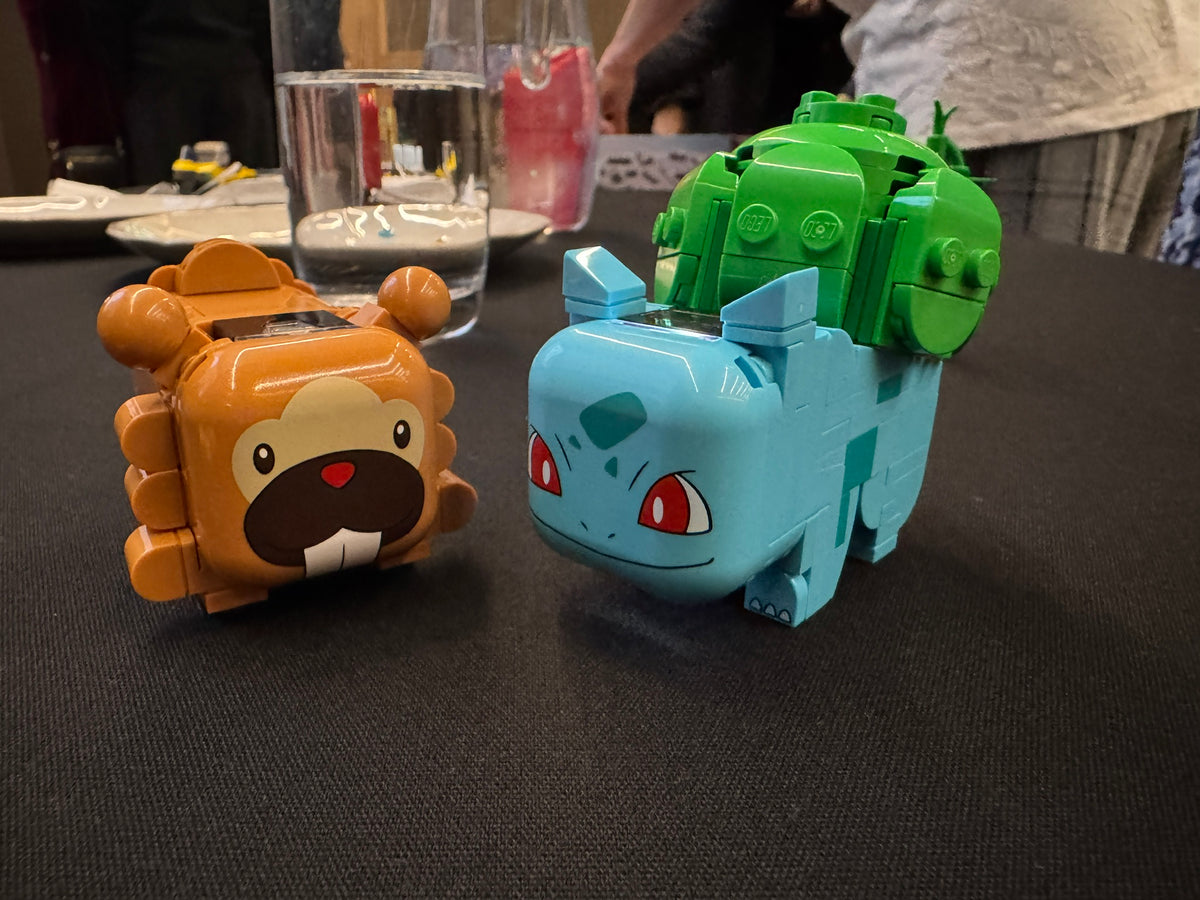
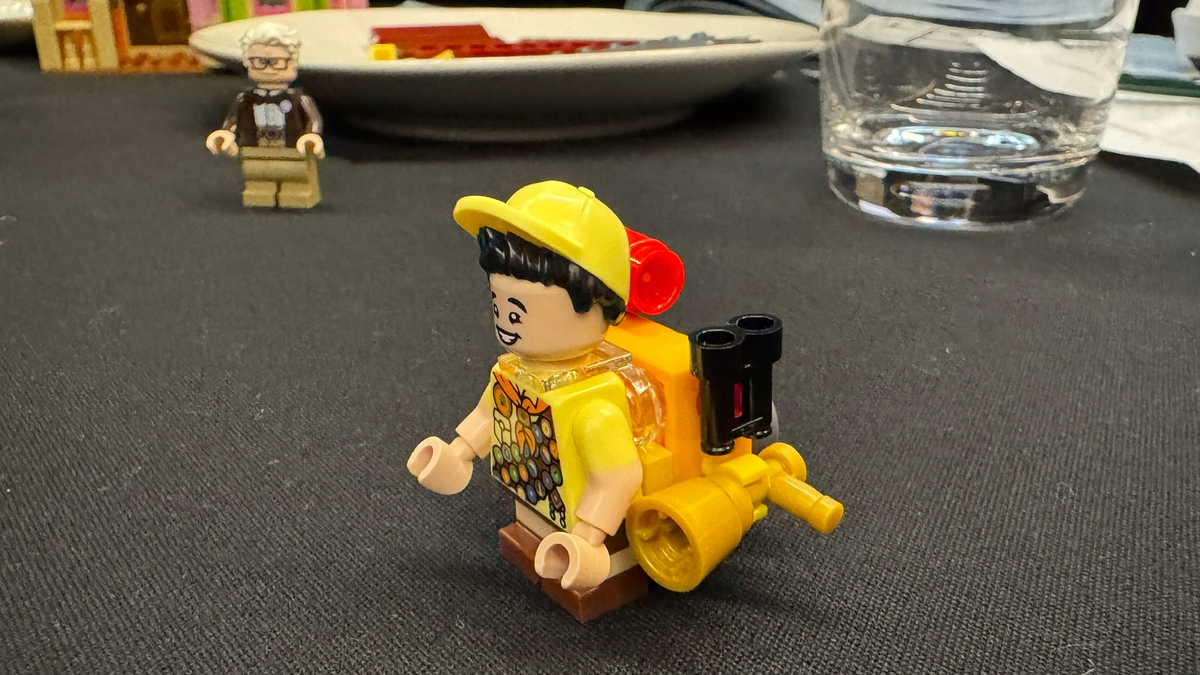
What made the evening particularly memorable was something I've never seen at a lecture before. As the four LEGO designers took to the stage, each arrived carrying a brand-new LEGO set. They promptly opened their boxes, tipped out the pieces and began building.
Throughout the conversation, while one designer was answering Tim's questions, the others were busy assembling their respective models. The ambition was to complete all four sets during the hour-long discussion. In reality, not all of the sets were completed, but that almost made the exercise more enjoyable.
It was a wonderfully playful way to bring the conversation to life, and a reminder that sometimes the most effective way to communicate a creative philosophy is simply to demonstrate it.

THE POWER OF PLAY
One of my favourite observations from the evening was wonderfully simple: “Play well. Design well.”
At LEGO, design isn't simply a function within the business; it's fundamental to the way the organisation thinks, learns and creates. Play becomes a way of experimenting, questioning assumptions and discovering possibilities that might otherwise be overlooked.
I was also struck by the remarkable diversity of the creative organisation, with the team describing colleagues from 63 different nationalities. Bringing together different cultures, disciplines and perspectives clearly plays an important part in creating an environment where curiosity and new ideas can thrive.
What I particularly enjoyed was the sense that play is taken seriously, without necessarily becoming serious. There's something refreshing about an organisation of this scale continuing to embrace experimentation, imagination and the simple pleasure of making things.
EVOLVING ICONS
How do you continue to innovate when your most recognisable product is already an icon?
The LEGO team identified three values that particularly resonated: curiosity, bravery and focus.
Curiosity encourages the exploration of new possibilities. Bravery provides the confidence to challenge established thinking. Focus ensures those ideas remain connected to what makes the brand distinctive in the first place.
It's an interesting balance. For a company with such an extraordinary design heritage, there's clearly a responsibility to protect what makes LEGO recognisable, while continuing to explore how its products, experiences and creative possibilities can evolve. The challenge isn't simply to create something new, but to find new possibilities within something already familiar.
THE LEGO SYSTEM AS A CREATIVE MEDIUM
This was perhaps the most fascinating part of the evening for me.
The LEGO system is built around a finite collection of components, yet the possibilities for combining them are almost limitless. The team discussed working with approximately 12,000 different types of LEGO elements, and the importance of exploring what can be achieved with what's already available before introducing something new.
Constraints aren't necessarily barriers to creativity. Often, they're what make creativity possible.

What makes the LEGO system so remarkable is that its limitations are also its greatest strength. The dimensions, connections and compatibility of the elements provide a common language, but what can be created from them remains wonderfully open-ended.
Founded in 1932, LEGO has spent almost a century developing its approach to making, unmaking and making again. The enduring compatibility of its bricks is a remarkable example of how a well-considered design system can continue to evolve without constantly reinventing its foundations.
There's something particularly inspiring about the idea that innovation doesn't always require more components or greater complexity. Sometimes it's about seeing new possibilities in what already exists.
BEYOND THE BRICK
The final conversation explored how LEGO extends beyond the physical brick into storytelling, imagination and the creation of entire worlds. A brick can become a character, a vehicle, a landscape or the beginning of an adventure. Importantly, it doesn't have to prescribe the outcome. It can simply provide the starting point for somebody else's story.

I particularly liked this idea of a product as a story starter rather than a finished proposition. It suggests that the value of design isn't always determined by what the designer creates, but also by what the person using it is inspired to do next.
Reflecting on the evening, I kept coming back to the four designers sitting on stage, building as they talked. It was such a simple idea, but a wonderfully effective demonstration of everything we'd been hearing about. Curiosity, experimentation, imagination and the freedom to play, all happening in real time.
Not every model was finished, but perhaps that was part of the point. The value was as much in the making as in the finished result.
A huge thank you to Tim Marlow, the LEGO Design Leadership Team and everyone at the Design Museum for such an engaging and thought-provoking evening.

Someone Should Stop This — Alec Leach
A book that asks why, knowing all we know, changing course is still so hard, joining the dots between climate, economics, politics, technology and belonging.

VITSŒ, Royal Leamington Spa
Inside Vitsœ's Royal Leamington Spa headquarters, where products, architecture, people and process all express one idea: buy less, make it last and design for change.